
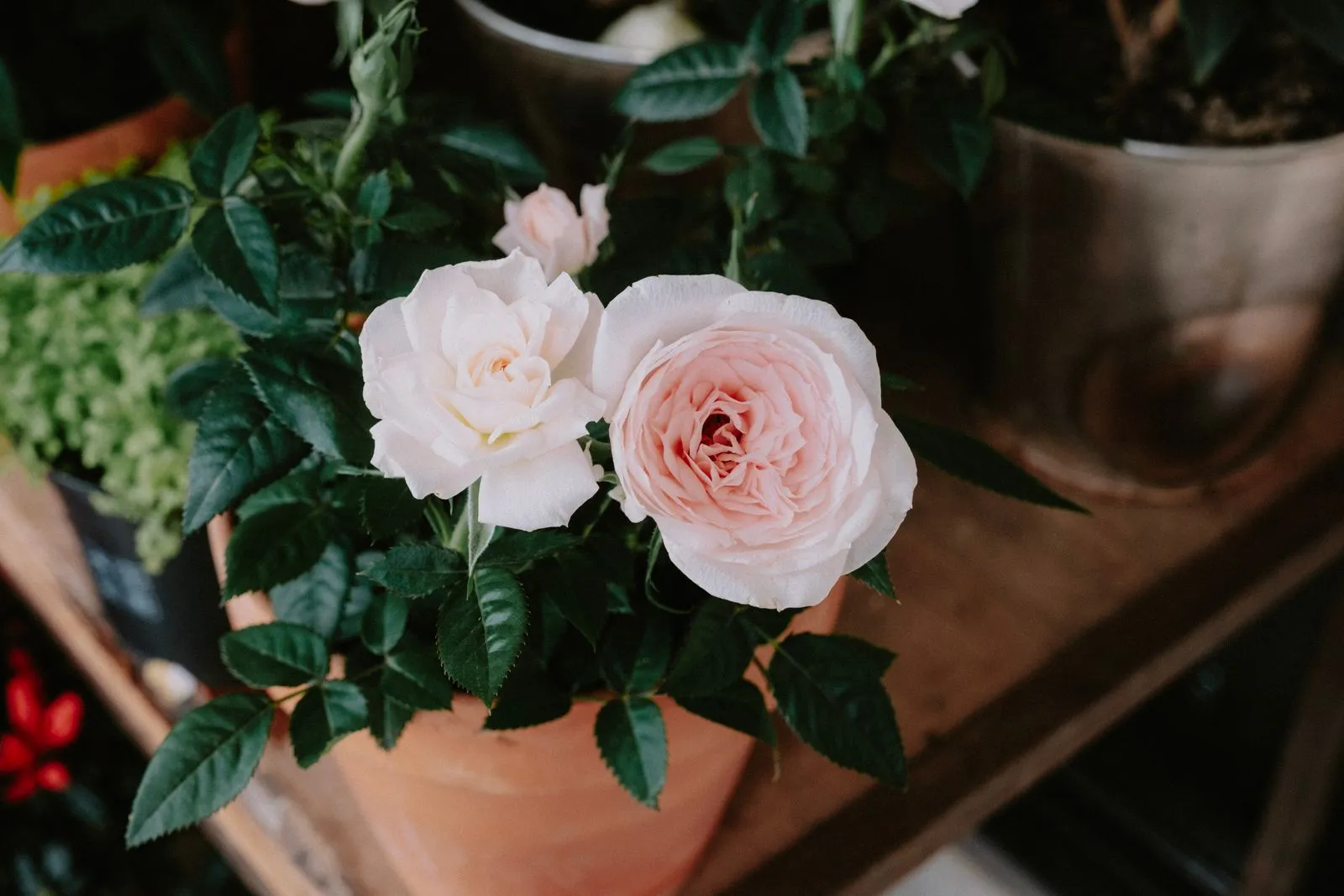
Roses need different attention as temperatures rise, flowers open, and growth slows. A steady routine helps you spot problems early and avoid common mistakes, such as wetting foliage late in the day or feeding plants too late in the season. Use this checklist as a guide, then adjust it for your rose variety, soil, rainfall, and local weather. Newly planted roses may need closer checks than established shrubs.
Early Spring: Prepare and Prune
Once severe winter weather has passed and buds begin to swell, remove dead, damaged, or crossing canes with clean, sharp pruners. Make cuts just above an outward-facing bud. For repeat-blooming shrub roses, shape the plant lightly to improve airflow and remove weak growth. Pruning needs vary by rose type, so check the variety’s guidance before cutting once-blooming or climbing roses.
Clear fallen leaves and old mulch from around the base, especially if they show signs of disease. Top up with a fresh layer of mulch, keeping it a few inches away from the canes. Check that water drains away rather than pooling around the roots. As new growth appears, inspect stems and leaf undersides for aphids, discolored spots, or other changes.
Active Growth: Water and Feed
Check soil moisture regularly rather than watering by the calendar. When the soil is dry a couple of inches below the surface, water slowly at the base so moisture reaches the root zone. Deep, less frequent watering is generally more useful than repeated light sprinkling. Adjust for rainfall, heat, wind, container size, and soil type; pots and newly planted roses often dry out faster.
Feed roses according to the product label and the plant’s growth stage. Many gardeners apply a rose fertilizer when spring growth is established, then follow label directions for any repeat applications. Water before applying granular fertilizer if the soil is dry, and avoid letting fertilizer touch canes or leaves. Stop routine feeding well before frost is expected so tender new growth has time to harden.
Blooming Season: Deadhead and Monitor
Remove spent flowers from repeat-blooming roses to keep beds tidy and encourage another flush. Cut back to a healthy leaf or outward-facing bud, using clean pruners. If you want rose hips for fall interest or wildlife, leave some flowers in place. Avoid heavy shaping while plants are flowering; remove only damaged growth or stems that block airflow.
Inspect plants at least weekly, including leaf undersides and new shoots. Look for aphids, chewed leaves, webbing, black spots, powdery growth, or yellowing. Identify the issue before treating it, and remove badly affected leaves without stripping the plant. Water at soil level and clear fallen foliage to reduce conditions that favor disease. Use any pest or disease product only as its label directs.
Late Summer and Fall: Wind Down
Keep checking soil moisture during dry spells, but reduce watering as temperatures fall and growth slows. Continue removing diseased leaves and debris. Avoid strong pruning late in the season; it can prompt tender growth that is vulnerable to cold. For roses that produce hips, stop deadheading late in the season and let the remaining flowers develop naturally.
Before winter, follow guidance for your rose type and local conditions. In colder or exposed sites, add a protective mound of mulch around the base after the ground begins to cool, without packing material against the canes. Clean and store tools, and note which plants had recurring problems so you can adjust placement, watering, or care next season.
A simple routine—check moisture, prune with a purpose, feed at the right stage, and inspect leaves and stems—keeps rose care manageable through the growing season. Keep notes on bloom timing and recurring issues to refine your approach. For help choosing roses or planning care in Arlington, contact Arlington Rose Garden.